Read Chainsaw Man Manga Online
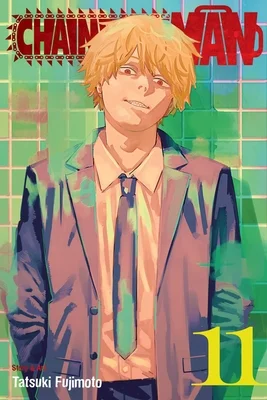

| Alternate Name: Chainsaw Man, チェンソーマン (Chensō Man) |
| Creator: Tatsuki Fujimoto |
| Artist(s): Tatsuki Fujimoto |
| Original Name (Japanese): チェンソーマン (Chensō Man) |
| Original Publisher: Shueisha |
| English Publisher: VIZ Media |
| Magazine: Weekly Shōnen Jump (Part 1), Shōnen Jump+ (Part 2) |
| Genre(s): Action, Dark Fantasy, Horror, Shonen |
| Themes: Poverty, Survival, Freedom vs Control, Identity, Trauma, Moral Ambiguity, Devil Contracts |
| Original Release: December 3, 2018 |
| Type: Manga |
| Main Protagonist: Denji |
| Major Antagonists / Rivals: Makima, Gun Devil, Control Devil |
| Key Characters: Power, Aki Hayakawa, Pochita, Kishibe, Reze, Quanxi |
| Total Chapters: 228+ (ongoing, Part 2 serialization continues) |
| Total Volumes: 22+ (ongoing) |
| Adaptation From: Anime adaptation produced by MAPPA (2022–present), with additional film projects announced |
| Setting: Modern Japan where Devils are born from human fears and hunted by Public Safety Devil Hunters |
| Status: Ongoing |
| Description: Chainsaw Man is a Japanese action horror manga written and illustrated by Tatsuki Fujimoto. The story follows Denji, a poor teenager who merges with the Chainsaw Devil named Pochita and becomes a human-devil hybrid. After joining Public Safety, he fights powerful Devils while struggling with freedom, control, and personal desire. The series is known for its brutal action, psychological depth, and unconventional storytelling. |
New reader? Start here:
All Chapters
Chainsaw Man Manga
Chainsaw Man manga is a dark action shonen series written and illustrated by Tatsuki Fujimoto, published by Shueisha in Weekly Shonen Jump. The series began serialization in December 2018 and follows Denji, a young man who merges with his devil dog Pochita to become a hybrid with chainsaw abilities. It blends horror, dark comedy, and emotional storytelling in a way that sets it apart from conventional shonen titles. Part 2 is currently ongoing, continuing the story in a new direction with fresh characters and conflicts.
Story Overview
Denji grows up buried in debt, hunting devils just to survive. When he merges with Pochita and gets recruited into Public Safety, a government organization that uses devil hunters to control devil threats, his only goal is simple: eat good food, live a normal life, and maybe find someone to love. That contrast between his childlike desires and the brutal world around him is what makes the story work.
Devil contracts are central to how the world functions. Humans can form contracts with devils in exchange for something valuable, a body part, years of life, or something deeply personal. Public Safety exploits this system, and Denji sits right at the center of that exploitation without fully understanding it. The tone sits somewhere between brutal action and dark absurdist comedy, and Fujimoto never lets either side fully take over.
Core Themes and Narrative Depth
What separates this series from most shonen titles is how deliberately Fujimoto builds his themes underneath the violence and chaos. The story is fundamentally about poverty and survival. Denji never wanted to be a hero. He wanted to eat a proper meal. That kind of writing grounds the entire series in a way that feels rare.
The themes go deeper as the story progresses:
- Freedom versus control runs through every major relationship, especially with Makima, who represents the idea that safety always comes with a price
- Identity and trauma shape Denji’s decisions in ways he cannot articulate but the reader can feel
- Moral ambiguity means there are no clean heroes, every character operates in grey territory
- Violence and absurdism are used not for shock value but to expose how desensitized both characters and readers become over time
Main Characters
Denji
Denji is the protagonist and the heart of the series. He starts as a teenager surviving on devil-hunting jobs to pay off his dead father’s debt to the yakuza. After merging with Pochita, his chainsaw devil companion, he gains the ability to transform parts of his body into chainsaws. What makes Denji compelling is not his power but his emotional simplicity. He wants basic human things in a world designed to use and discard people like him. That tension between innocence and exploitation carries the entire first part of the story.
Makima
Makima is the primary antagonist of Part 1, though she operates as Denji’s handler and appears trustworthy for most of the story. She is the Control Devil, a being that represents humanity’s desire for domination and order. Her manipulation is quiet and systematic, and Fujimoto constructs her as someone who never needed to raise her voice to be the most dangerous person in any room. She is one of the most well-crafted villains in modern manga precisely because her threat feels psychological before it becomes physical.
Power
Power is a Blood Fiend, a devil that has taken over a human corpse, and she works alongside Denji in Public Safety. Her personality is loud, selfish, and genuinely funny, which creates a sharp contrast with the darker tone of the series. Beneath her chaotic behavior is a character with real emotional depth, particularly in how she forms bonds she would never openly admit to. The Blood Devil identity gives her a unique position in the story’s power structure and some of its most visually striking fight sequences.
Aki Hayakawa
Aki is a senior devil hunter in Public Safety who forms a reluctant partnership with Denji and Power. His connection to the Gun Devil arc is personal. The Gun Devil killed his family, and his entire motivation is revenge, which puts him on a path Fujimoto uses to explore the cost of dedicating your life to something that may destroy you before you reach it. Aki carries the emotional weight of the series in ways that only become clear in hindsight, and his arc is one of the most affecting in the entire story.
Manga Parts and Story Arcs
Part 1: Public Safety Saga
Part 1 runs from Chapter 1 to Chapter 97 and covers Denji’s time working under Makima in Public Safety Division 4. The arcs move quickly, escalating from smaller devil encounters to a full-scale confrontation with the Gun Devil and eventually to the Control Devil arc that closes out the first part. Each arc raises the stakes while peeling back another layer of how the world, and Makima specifically, operates. The pacing is aggressive and the tonal shifts between dark humor and genuine tragedy happen without warning, which reflects Fujimoto’s style as a storyteller.
Part 2: Academy Saga
Part 2 begins with Chapter 98 and shifts the setting to a high school environment with a new central character, Asa Mitaka, who shares her body with Yoru, the War Devil. Denji returns but in a reduced role at first, operating under a new public identity. The tone is different, slower in places, more focused on psychological tension than raw action. The Academy Saga introduces new devil threats and expands the mythology of the Primal Fears, which are the oldest and most powerful devils in existence. Fujimoto uses Part 2 to challenge what readers thought they understood about the series.
How Many Chapters and Volumes Are There
The series has a substantial amount of content across both parts, with publication still active. Here is a current breakdown:
- Total chapters: 229+ chapters across Part 1 and Part 2
- Total volumes: 22+ collected volumes released in Japan
- Part 1: Chapters 1 to 97, collected in Volumes 1 to 11
- Part 2: Begins at Chapter 98, ongoing with new volumes releasing regularly
- Serialization start: December 2018 in Weekly Shonen Jump
- Current status: Actively publishing, new chapters release weekly
English volumes are available through VIZ Media with regular release schedules following the Japanese publication.
Is Chainsaw Man Manga Finished
No, Chainsaw Man manga is not finished. Part 2 is currently ongoing and releasing new chapters on a weekly schedule. Part 1 concluded at Chapter 97 with a complete narrative arc, but Fujimoto continued the story with Part 2, which introduced new characters, expanded the devil mythology, and shifted the tone significantly. Readers following the series can expect the story to continue for the foreseeable future.
Where to Read Chainsaw Man Manga Legally
Two official platforms carry the series in English. VIZ Media offers chapters through their website and the Shonen Jump app, with both simulcast chapters and the full back catalog available through a subscription. Manga Plus by Shueisha offers the first and latest three chapters for free without a subscription, making it a practical option for new readers who want to sample the series before committing.
Both platforms are the legitimate way to read the series and support the creator and publisher directly.
Chainsaw Man Manga vs Anime Adaptation
The anime adaptation was produced by MAPPA and premiered in October 2022. Season 1 covers Part 1 from Chapter 1 through approximately Chapter 38, ending after the Bat Devil and Leech Devil arc and running through the early stages of the Eternity Devil arc and beyond. The adaptation is faithful in its major story beats but MAPPA made distinct stylistic choices, particularly in the action sequences and visual tone, that give the anime its own identity.
Readers who want the full story need the manga. The anime covers roughly the first third of Part 1, which means the Control Devil arc, the Gun Devil confrontation, and the entirety of Part 2 remain manga-only for now.
Cultural Impact and Popularity
When Part 1 concluded in 2020 and the anime released in 2022, Chainsaw Man broke into global conversations about manga in a way few series manage outside of established titans. The series sold over 20 million copies worldwide by the time the anime aired, a number that climbed sharply after the adaptation introduced it to a wider audience.
Tatsuki Fujimoto’s approach to storytelling influenced how readers and creators think about shonen as a genre. He rejected the traditional framework of power growth and friendship as the emotional core and replaced it with something messier and more honest. That shift resonated. Chainsaw Man sits alongside Jujutsu Kaisen and Spy x Family as part of a generation of manga that expanded what Weekly Shonen Jump titles could look and feel like, but Fujimoto’s work carries a distinctly personal signature that sets it apart even within that group.
Final Thoughts
Chainsaw Man stands out in modern manga because Tatsuki Fujimoto refuses to follow the genre’s safety net. The series earns its reputation not through scale or spectacle alone but through the precision of its character work and the honesty of its emotional core. Denji is not a hero built for greatness. He is a person who deserved basic dignity and never received it, and that framing makes every chapter of the story hit differently than most shonen titles.
Part 2 continues to challenge what readers expect, and Fujimoto’s willingness to rebuild the series around new perspectives shows a creator working with full creative confidence. Whether you are reading for the action, the characters, or the thematic depth, the manga rewards every type of reader. It is one of the most significant series published in Weekly Shonen Jump in the past decade, and its influence on the direction of modern shonen storytelling is already visible.